


Primitive reflexes
30 short questions about your child's behavior and habits. At the end you get a profile across five reflexes.

Choose what worries you most. Each page describes the signs parents notice and how we can help.
Your child speaks little or unclearly, or finds it hard to understand what others say.
It's hard to sit still, focus and manage emotions, including with ADHD.
We help children with autism communicate, understand others and handle everyday life with more confidence.
Clumsiness, weak muscles, difficulties with posture and coordination, including in cerebral palsy.
Your child reacts strongly to sounds, touch, clothing or food, or is always seeking sensations.
Reading, writing or math is hard, or you're unsure whether your child is ready for school.
Your child is later than peers in developing speech, movement, play and self-care skills.
From your first message to regular sessions — five clear steps.
Message us in the messenger you prefer or fill out the form on the website. We will reply, ask a few questions about your child and find a time.
A free 30 minutes meeting. Your child gets to explore the gym, and you meet a specialist and ask your questions.
The specialist looks at your child's development through play and simple tasks. We will suggest which assessment is right during the first visit.
We go over the results with you and give you a written report. Together we agree on goals and put together a program: which sessions, how often and for how long — usually 4 to 6 months.
Your child attends sessions, and you get activities to do at home. Halfway through the course we do a short follow-up assessment and adjust the plan if needed.
Every program starts with an assessment. It shows your child's strengths and what is getting in their way right now.
How your child's attention, memory, thinking, speech and self-control work — and where the difficulties come from.
How your child perceives touch, movement, sounds and their own body.
A check of the reflexes present from birth that should fade with age, and how they affect movement and learning.
A comprehensive assessment before first grade: attention, memory, speech, motor skills, and the foundations of writing and math.
Not sure whether your child needs an assessment? Complete a short questionnaire at home — a specialist at the center will review your answers and suggest where to start.
All screenings30 short questions about your child's behavior and habits. At the end you get a profile across five reflexes.
Questions about how your child responds to sounds, light, touch, movement and taste. At the end you get a picture across six sensory systems and tips for home and for daycare or school.
We choose methods after the assessment and combine them into one program. Here is what it can include.
The neuropsychologist, speech therapist, kinesiotherapists and psychologist agree on your child's goals together.
After the assessment we set specific goals. A follow-up assessment halfway through the course shows what has changed.
Prices for assessments and sessions are published on the website. The first visit is free.
We tell you what we do and why, and show you how to support your child at home.
The center is a member of the international council for education in sensory integration.
We do not make medical diagnoses. If your child needs to see a doctor, we will tell you directly.
Specialists from different fields discuss each child together.
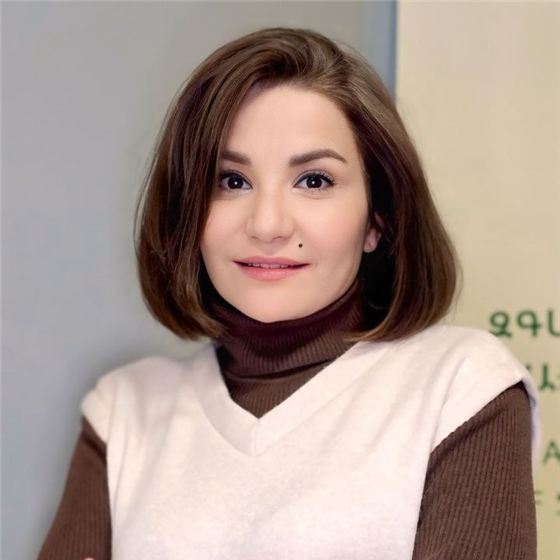 Diana KashirinaHead of the center, neuropsychologist, educational psychologist
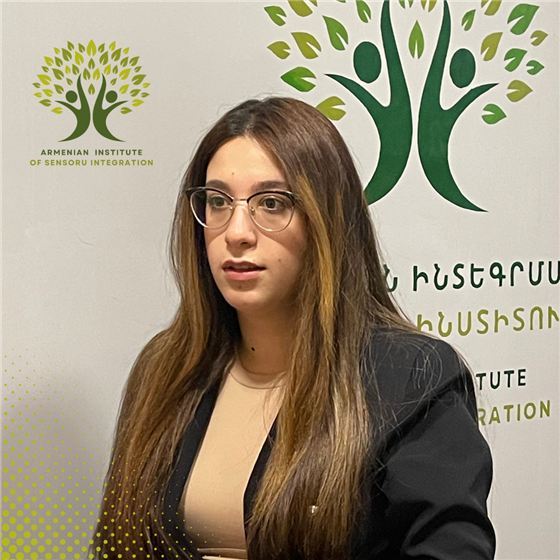 Ani SargsyanKinesiotherapist, sensory integration specialist
 Silva KhachatryanKinesiotherapist, sensory integration specialist
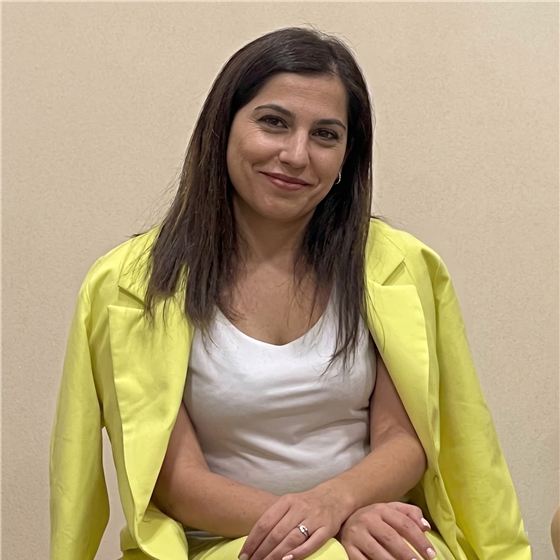 Kristina KhachatryanSpeech therapist, sensory integration specialist
 Ripsime AkhverdyanPsychologist, psychoanalyst
A sensory-motor gym with hanging equipment, a trampoline and tunnels, rooms for table-top sessions and a Montessori environment.
Sensory-motor gym

You don't need a doctor's referral to book. If your child already has reports from doctors, please bring them: they help us plan the program more precisely. We don't make medical diagnoses ourselves, and if we see a reason, we suggest seeing the right doctor.
We work with children from 2 to 12 years. At the free first visit we'll suggest which therapies suit your child — just message us your child's age and what concerns you.
We decide on the number and frequency of sessions after the assessment, once the child's goals are clear. A course usually lasts 4 to 6 months, but every child has their own pace, so we name the exact timeframe after the assessment. Halfway through the course we do a follow-up assessment and adjust the plan if needed.
Regular attendance is one of the most important conditions for progress. Skills become stronger with repetition, so frequent absences noticeably slow progress, and a long break can undo some of what has been achieved. If your child is ill or you're going away, let us know and we'll suggest what to practice at home to keep the gains.
Every child moves at a different pace, and promising a timeframe in advance wouldn't be honest. We set concrete goals that make sense in everyday life, such as “asks for help with words” or “finishes a task,” and together with you we watch how your child moves toward them.
Leave your contact details — we will message you, ask a few questions about your child and find a convenient time. The meeting takes 30 minutes and there is no obligation.
Or message us right away: